
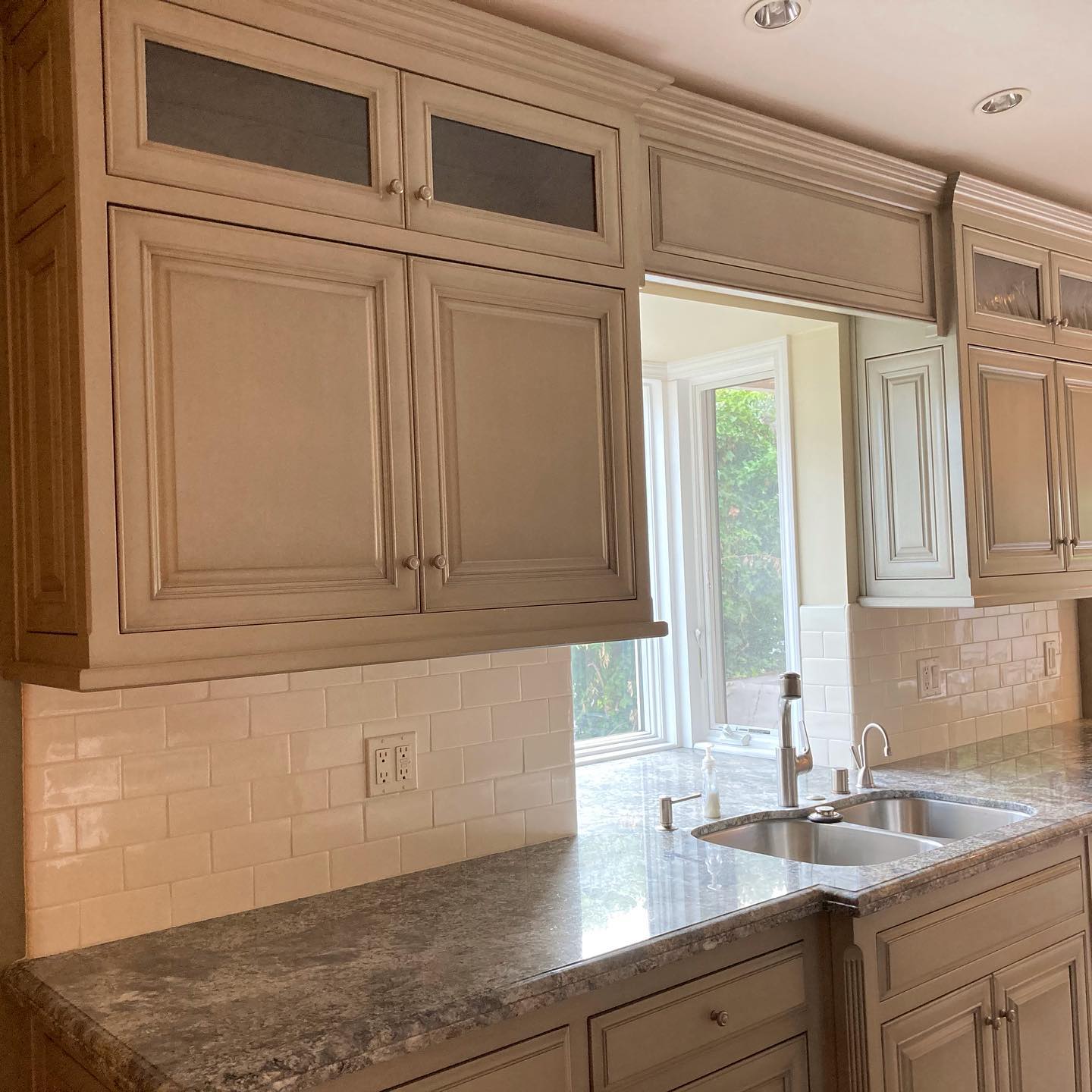
Selecting the right wood species for your moldings and millwork plays a major role in both appearance and performance. From crown molding and baseboards to custom stair parts, each wood type offers unique grain patterns, durability levels, and finishing characteristics. Understanding these differences helps ensure your project delivers long-lasting beauty and value.
Consider the Style of Your Home
The architectural style of your home should guide your choice. Traditional interiors often pair well with rich hardwoods like mahogany or oak, while contemporary designs may favor cleaner-grained options such as alder. Matching the wood tone and texture to your overall aesthetic creates a cohesive look.
Evaluate Durability and Traffic Levels
Different wood species vary in hardness and resistance to wear. Oak is known for its strength, making it ideal for high-traffic areas and stair components. Alder and pine, while softer, are easier to work with and can be excellent choices for decorative trim and interior applications.
If you’re updating stair elements, learn more here.
Think About Staining and Finishing
Wood species absorb stains and finishes differently. Mahogany offers a smooth surface that accepts stain evenly, creating a rich, polished appearance. Oak highlights dramatic grain patterns when stained, while alder provides a more uniform finish.
Budget and Availability Matter
Hardwoods like mahogany typically cost more than pine or MDF alternatives. Balancing budget with desired durability and appearance ensures a practical decision without compromising quality.
Make an Informed Choice
Choosing the best wood species for moldings and millwork involves balancing design, durability, and finishing preferences. With expert guidance and quality materials, you can create trim details that elevate your space and stand the test of time.